Meet Keiko Fujimoto: The Real Story of Sunny Balwani’s Former Wife
Keiko Fujimoto sparks curiosity whenever her name appears online. Most people discover her through headlines about Theranos or Sunny Balwani. But here’s what they miss: She’s a respected professional with her own remarkable story.
Many assume she’s connected to the Theranos scandal. That’s completely false. Her marriage to Ramesh Balwani ended in 2002, years before the controversy began.
The real story is far more interesting. Keiko built a 30-year career in semiconductor technology. She’s also an accomplished artist. Her life shows strength, independence, and cultural depth.
This guide reveals who Keiko Fujimoto really is. You’ll discover her professional achievements at Applied Materials. You’ll learn about her artistic work inspired by Japanese traditions. You’ll understand why she chose privacy over publicity.
Ready to separate fact from fiction? Let’s dive in.
Who Is Keiko Fujimoto?
Keiko Fujimoto is a Japanese technical communications expert. She spent over three decades at Applied Materials. That’s one of the world’s leading semiconductor equipment companies.
Her role? She translated complex engineering concepts into clear documentation. Think instruction manuals for highly sophisticated machines. She made technical information accessible to global teams.
But she’s more than her corporate career. Keiko is also a trained artist. Her work reflects minimalist Japanese aesthetics. She blends traditional cultural values with modern design principles.
The Professional Side
Applied Materials hired Keiko in the late 1980s. She started as a technical writer. Her job demanded precision and clarity. Engineers needed her to explain intricate processes simply.
She excelled at this challenging work. Within years, she climbed to management positions. She led entire documentation teams. She established writing standards used company-wide.
Her impact extended beyond one company. She influenced how the semiconductor industry communicates technical information.
The Artistic Side
Keiko’s creative work stands apart from her technical career. She draws inspiration from wabi-sabi philosophy. That’s the Japanese concept of finding beauty in imperfection.
Her art features soft colors and natural textures. She uses open space deliberately. Each piece invites quiet contemplation.
She even appeared on Japanese television. The show “Takajin Mune Ippai” featured her artistic process. That exposure introduced her creativity to wider audiences.
Keiko Fujimoto’s Professional Journey at Applied Materials
Applied Materials shapes how computer chips get manufactured worldwide. Keiko joined during a crucial growth period. The semiconductor industry was exploding.
Starting as a Technical Writer
Her first role involved creating user manuals. These weren’t simple instruction booklets. They documented million-dollar manufacturing equipment.
Every word mattered. A single unclear instruction could cause production failures. Safety was paramount. Workers relied on her documentation to operate dangerous machinery safely.
She worked directly with engineers. They explained how machines functioned. She transformed that knowledge into step-by-step guides. Her writing had to be accurate and accessible simultaneously.
Rising to Management
Keiko’s dedication didn’t go unnoticed. She became a technical publications manager. This promotion brought bigger responsibilities.
She now led teams of writers. She created templates and style guides. She ensured consistency across all company documentation. Global teams needed to understand each other perfectly.
She also managed product launch documentation. New equipment required complete instruction sets. She coordinated translations for international markets. Her systems kept information flowing smoothly.
Key Contributions
Standardization: She unified terminology across departments. Engineers in different countries used the same technical language.
Safety Improvements: Her clear instructions reduced workplace accidents. Users could follow procedures confidently.
Training Programs: She developed systems for onboarding new writers. Her methods continued after her retirement in 2021.
The Connection to Sunny Balwani and Theranos
Here’s where misconceptions multiply. Yes, Keiko Fujimoto was married to Ramesh “Sunny” Balwani. But their story differs dramatically from what people assume.
The Marriage Timeline
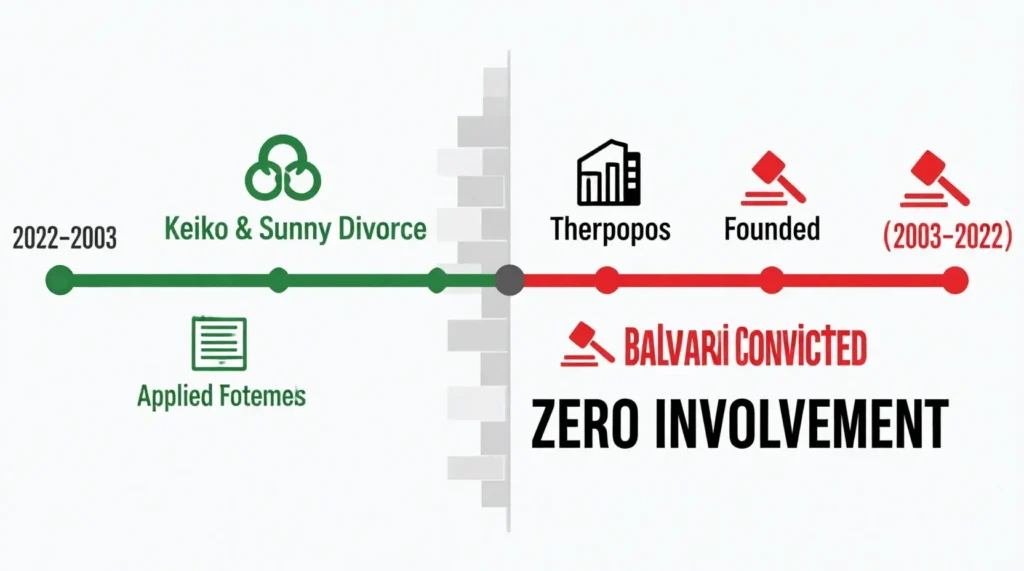
They married when Sunny Balwani was early in his career. They lived in San Francisco during the dot-com era. Their relationship ended in divorce in 2002.
That date matters critically. Theranos was founded in 2003. Elizabeth Holmes started the company after Keiko and Sunny separated.
Keiko had zero involvement with Theranos. She never worked there. She never invested in it. She had no connection to its operations or decisions.
The Theranos Scandal Explained
Theranos claimed revolutionary blood-testing technology. Elizabeth Holmes promised tests using tiny blood samples. The company attracted massive investment and media attention.
It was fraudulent. The technology didn’t work as advertised. Sunny Balwani joined as COO and president. He and Elizabeth Holmes faced criminal charges.
Balwani was convicted on fraud charges in 2022. He received a prison sentence for deceiving investors and patients.
Why Keiko Gets Mentioned
Public records show she was once married to Ramesh Balwani. That’s the only connection. Her name appears in articles about him simply because of their past marriage.
She never sought this attention. She never spoke publicly about Theranos. She maintained complete privacy throughout the scandal.
This distinction matters. Keiko Fujimoto built her life independently. Her achievements stand separate from her ex-husband’s actions.
Keiko Fujimoto Art and Creative Expression
Technical writing and art seem like opposite pursuits. Keiko proves they complement each other beautifully. Her creative work reflects the same precision she brought to documentation.
Japanese Aesthetic Principles
Keiko’s art embodies traditional Japanese philosophy. Three concepts guide her work:
Wabi-sabi: Finding beauty in imperfection and impermanence. Natural materials age gracefully. Flaws add character rather than diminish value.
Ma: The power of negative space. What’s left out matters as much as what’s included. Silence and emptiness create balance.
Kanso: Simplicity and elimination of clutter. Every element serves a purpose. Nothing exists merely for decoration.
Her Artistic Style
Her pieces use muted color palettes. Think earth tones and soft pastels. She incorporates natural textures like wood grain and stone.
Composition emphasizes openness. Her work doesn’t crowd the viewer. It invites them to pause and breathe.
She blends traditional techniques with contemporary themes. Ancient Japanese art forms meet modern sensibilities. The result feels timeless.
Public Recognition
Japanese television showcased her work. The appearance brought her art to national audiences. She discussed her creative philosophy and cultural influences.
Yet she didn’t pursue celebrity. Fame wasn’t her goal. She returned to private life after brief public exposure. Understanding effective communication remains valuable across fields, much like how Gianetta Fluent demonstrates mastery in her own professional domain.
Educational Background and Skills
Strong education laid the foundation for Keiko Fujimoto’s success. She pursued studies in Japan and America. Each degree built specific capabilities.
University Studies in Japan
Keiko attended Tsuda University in Tokyo. She earned a Bachelor’s degree in International and Cultural Studies. This program emphasized cross-cultural communication.
The curriculum prepared students for global careers. She studied how cultures differ in communication styles. She learned to bridge those differences effectively.
This education proved invaluable later. Technical writing requires explaining concepts across cultural boundaries. Her degree gave her that foundational understanding.
Graduate Studies in America
She continued to the University of Illinois Urbana-Champaign. She completed a Master’s degree in Information Sciences. This advanced training focused on information organization and accessibility.
The program taught information architecture. How do people search for and process information? How can documents be structured for maximum clarity?
These skills directly applied to technical documentation. She learned to anticipate user needs. She could organize complex information logically.
Language Proficiency
Keiko is fully bilingual. She speaks Japanese and English fluently. This capability opened doors professionally.
Global companies need employees who bridge language gaps. She could work with Japanese engineers and American customers equally well. She coordinated translations between teams.
Her language skills enhanced her artistic work too. She could express concepts that don’t translate directly. Cultural nuances enriched her creative expression.
| Education Level | Institution | Field of Study | Skills Gained |
|---|---|---|---|
| Bachelor’s Degree | Tsuda University, Japan | International & Cultural Studies | Cross-cultural communication, global perspective |
| Master’s Degree | University of Illinois Urbana-Champaign | Information Sciences | Information architecture, technical documentation |
Life After Divorce: A Return to Japan
The end of her marriage marked a turning point. Keiko made deliberate choices about her future. She prioritized peace and authenticity.
Leaving Silicon Valley
Silicon Valley thrives on publicity and ambition. Success often means visibility. That lifestyle didn’t suit Keiko’s temperament.
After the divorce in 2002, she gradually stepped back. She continued her work at Applied Materials. But she withdrew from social circles that connected to her ex-husband.
Eventually, she returned to Japan. Her homeland offered cultural familiarity. She could reconnect with artistic traditions and values.
Building a Private Life
Keiko deliberately avoids public attention. She doesn’t maintain social media presence. She doesn’t give interviews. She doesn’t share personal details.
This privacy is intentional, not accidental. She chose it consciously. She wants recognition for her work, not her past marriage.
Her decision shows strength. Many people in her position would capitalize on curiosity. She refused. She built life on her own terms.
Current Activities
She focuses on personal art projects now. Retirement from Applied Materials freed her time. She creates without commercial pressure.
She likely participates in local art communities. Japanese culture values such groups. Artists gather to share techniques and inspiration.
She maintains connections to technical communication. Her legacy lives through the standards she established. Former colleagues still use her systems.
Keiko Fujimoto Wikipedia and Public Information
Searching “Keiko Fujimoto Wikipedia” yields limited results. There’s no dedicated Wikipedia page about her. That absence tells us something important.
Why No Wikipedia Page Exists
Wikipedia requires specific notability criteria. Subjects need substantial independent media coverage. Keiko deliberately avoids publicity.
Her professional achievements are significant. But they’re documented in corporate records, not news articles. Technical writers rarely become public figures.
Her connection to Sunny Balwani generates searches. But that alone doesn’t establish independent notability. Wikipedia isn’t for everyone connected to famous people.
Where to Find Accurate Information
Reliable information about Keiko Fujimoto is limited. A few sources provide factual details:
Professional Networks: LinkedIn might have basic career information. Though she may not maintain an active profile.
Applied Materials Records: The company’s internal archives document her career. These aren’t publicly accessible.
Art Exhibition Records: If she displayed work publicly, those records exist. Japanese cultural institutions might have documentation.
News Articles About Balwani: Some mention her as his ex-wife. These focus on him, not her achievements.
The Privacy Challenge
Most online information about Keiko connects to Theranos coverage. That’s unfortunate. It overshadows her real accomplishments.
Accurate biographical details remain scarce. She hasn’t authorized any biography. She hasn’t corrected misinformation publicly.
This creates challenges for researchers. But it reflects her values. She prioritizes privacy over public recognition.
| Information Source | Reliability | What It Covers | Limitations |
|---|---|---|---|
| Professional networks | Moderate | Career history | May not be maintained |
| News articles | Variable | Theranos connection | Often inaccurate about her |
| Art records | High | Creative work | Limited availability |
| Wikipedia | None | No dedicated page | Insufficient independent coverage |
Legacy and Impact on Technical Communication
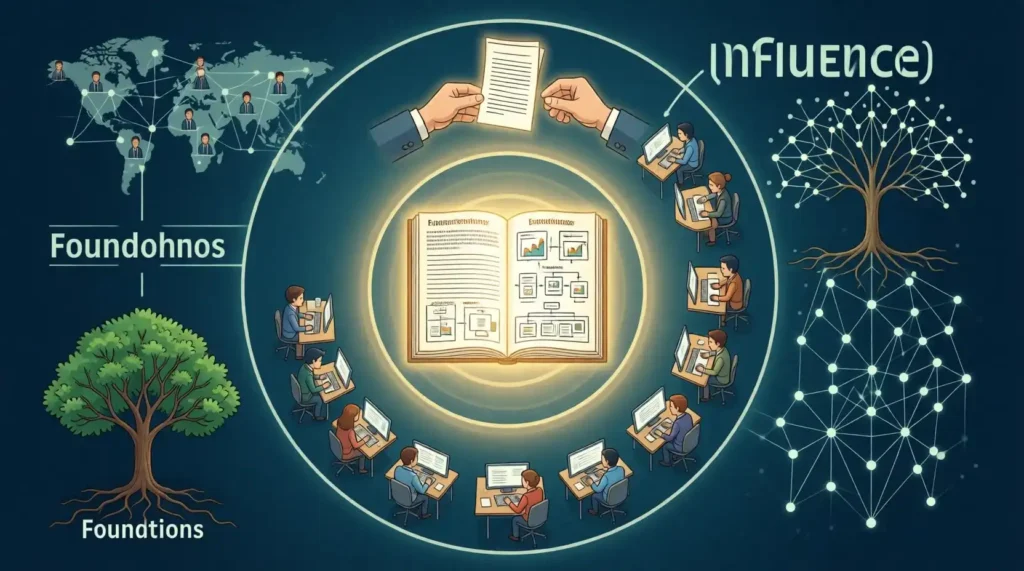
Keiko Fujimoto’s influence extends beyond her active career. Her contributions shaped industry practices. Her methods continue helping companies communicate clearly.
Documentation Standards
She established writing templates still used today. These standards ensure consistency. Writers follow her frameworks for structure and clarity.
Her style guides define terminology. Technical jargon gets explained once, then used uniformly. This prevents confusion across global teams.
She created quality control processes. Documentation undergoes multiple reviews. Accuracy gets verified before publication.
Training Future Professionals
Keiko mentored numerous technical writers. She taught them her approach to clarity. Many continued her methods in their own careers.
Her training programs formalized knowledge transfer. New employees learned proven techniques quickly. Companies saved time and resources.
Former mentees now lead their own teams. They pass her principles to the next generation. Her influence multiplies exponentially.
Cultural Integration in Business
She demonstrated how cultural values enhance professional work. Japanese concepts of simplicity and balance improved documentation quality.
Western technical writing often prioritizes completeness. Sometimes that creates overwhelming detail. Keiko showed how strategic elimination improves usability.
Her approach influences modern user experience design. Less really can be more. Careful curation beats comprehensive coverage.
Lasting Principles
Clarity Over Completeness: Say exactly what’s needed, nothing more. Users appreciate concise instructions.
Visual Hierarchy: Organization guides the eye naturally. Important information stands out.
User-Centered Design: Write for the reader, not the engineer. Anticipate questions and confusions.
Cultural Sensitivity: Global audiences need accessible language. Avoid idioms and cultural assumptions.
Frequently Asked Questions
Who is Keiko Fujimoto?
Keiko Fujimoto is a Japanese professional who spent over 30 years at Applied Materials. She worked as a technical writer and publications manager. She’s also an accomplished artist. Many know her as Sunny Balwani’s ex-wife, though that connection ended in 2002.
Did Keiko Fujimoto work at Theranos?
No, Keiko Fujimoto had zero involvement with Theranos. She divorced Ramesh “Sunny” Balwani in 2002. Theranos was founded in 2003, after their separation. She never worked for, invested in, or connected with the company in any way.
What is Keiko Fujimoto art style?
Keiko Fujimoto art reflects traditional Japanese aesthetics. She uses minimalist compositions with soft colors. Her work embodies wabi-sabi philosophy, finding beauty in simplicity. Natural textures and open space characterize her pieces. She appeared on Japanese TV showcasing her creative approach.
Is there a Keiko Fujimoto Wikipedia page?
No dedicated Wikipedia page exists for Keiko Fujimoto. She doesn’t meet Wikipedia’s notability criteria for independent coverage. She deliberately maintains privacy and avoids publicity. Limited reliable public information exists about her personal life and current activities.
How is Keiko Fujimoto connected to Elizabeth Holmes?
Keiko Fujimoto has no direct connection to Elizabeth Holmes. Her only link is through her ex-husband Sunny Balwani. Balwani later worked with Holmes at Theranos. But Keiko’s marriage to Balwani ended before Theranos existed. She never met or worked with Holmes.
Where is Keiko Fujimoto now?
Keiko Fujimoto lives in Japan, focusing on personal art projects. She retired from Applied Materials in 2021 after decades of service. She maintains a private life away from public attention. She reconnected with her cultural roots after years in America.
Conclusion: Understanding Keiko Fujimoto’s True Story
Keiko Fujimoto deserves recognition for her own achievements. Her 30-year career shaped technical communication standards. Her artistic work celebrates Japanese cultural traditions. Her educational background demonstrates dedication to excellence.
The Theranos connection obscures her real story. She had no involvement with the scandal. Her marriage to Ramesh Balwani ended years before the company existed.
She chose privacy over publicity. That decision reflects strength and self-knowledge. She built life on her own terms, not others’ expectations.
Her legacy lives through the documentation systems she created. Former colleagues continue using her methods. Technical writers benefit from her standards.
Want to learn from her example? Focus on meaningful work. Build skills that create lasting value. Choose authenticity over attention.
Keiko Fujimoto shows us that quiet excellence matters more than headlines. True impact doesn’t require publicity. It requires dedication, skill, and integrity.